Quick Fixes When Your Motorcycle Parts Auckland Start Showing Wear
A Comprehensive Guide to Choosing the Finest Bike Components for Your Ride
Choosing the ideal bike components is crucial for any type of biker. Each part plays a significant function in improving efficiency and convenience. Understanding the kind of bike and its designated usage is basic. From handlebars to tires, every detail matters. This guide will certainly discover the vital facets of choosing these components. The right choices can elevate any kind of adventure, but what specific variables should one consider to achieve the best results?
Understanding Bike Types and Their Elements
Just how can one pick the ideal bike components without comprehending the different sorts of bicycles? Each bike kind-- hill, cruiser, roadway, and hybrid-- attributes one-of-a-kind parts customized to its particular function. Mountain bicycle, as an example, are furnished with robust frames and bigger tires for off-road security, while road bikes focus on light-weight materials and wind resistant styles for speed on smooth surfaces.Hybrids blend elements from both hill and road bikes, offering versatility for varied surfaces. Cruisers, developed for comfort, attribute larger seats and handlebars for a more loosened up riding setting. Each type additionally uses distinct equipment systems, brakes, and wheels that deal with their desired use.Understanding these differences is important for selecting reliable and compatible bike components. A rider's selection can significantly boost performance, safety and security, and general enjoyment. By acknowledging the characteristics of each bike type, one can make educated choices when upgrading or changing components.
Secret Factors To Consider for Picking Handlebars
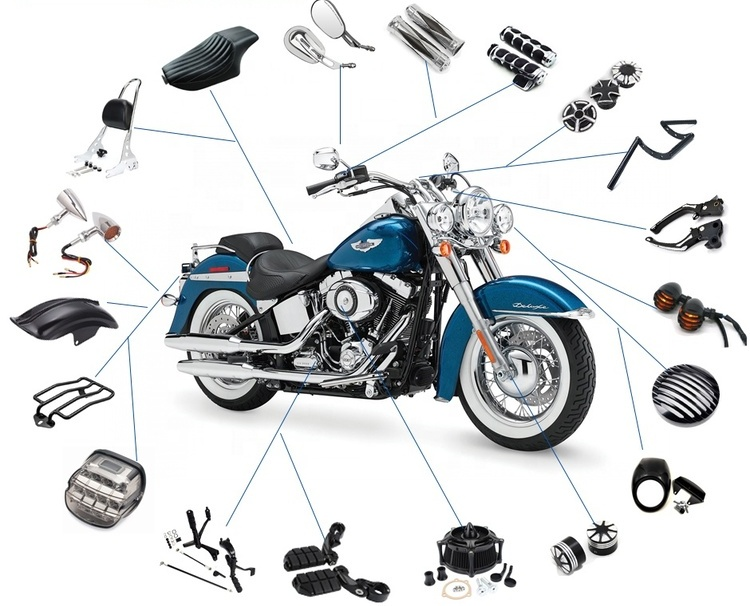
When selecting handlebars, a motorcyclist has to think about numerous factors that can substantially influence convenience and control. One primary factor to consider is the width of the handlebars, as it influences stability and utilize during rides. Wider handlebars normally give better control, particularly in technical surfaces, while narrower ones might enhance aerodynamics for racing.Additionally, the surge or drop of the handlebars influences the rider's position. Greater handlebars advertise a much more upright setting, reducing stress on the back, while lower ones can improve the rules of aerodynamics. The form of the handlebars is also important; alternatives like flat, riser, or decrease bars deal with various riding designs and preferences.Material is one more vital factor, with aluminum and carbon fiber being popular for their balance of weight and longevity. Eventually, the ideal handlebars must straighten with the rider's meant use, making sure a delightful and reliable cycling experience.
Choosing the Right Saddle for Convenience and Performance
Selecting the right saddle is vital for making the most of comfort and performance during experiences. A well-chosen saddle can significantly influence a cyclist's experience, directly impacting energy degrees and total pleasure. When picking a saddle, variables such as size, extra padding, and shape ought to be thoroughly considered. The saddle's size have to straighten with the motorcyclist's sit bone dimensions, guaranteeing appropriate assistance. Additionally, extra padding choices vary among riders; some might prefer marginal cushioning for an extra straight link to the bike, while others might seek luxurious padding for enhanced comfort on longer trips. Saddle form likewise plays a vital role, as it affects the circulation of pressure throughout pedaling. Products used in building can influence weight and sturdiness. Ultimately, checking various saddles is vital, as individual comfort varies greatly. A thoughtful technique to saddle option can result in better efficiency and a more satisfying cycling experience.
The Significance of Top Quality Tires for Various Terrains
Choosing the appropriate tires is important for suitable efficiency throughout various terrains. Various surface areas require specific tire features, such as walk patterns and rubber substances, to assure grip and resilience. Furthermore, the long life and strength of tires can considerably influence a bicyclist's total experience and safety and security when traveling or trail.
Terrain-Specific Tire Includes
Just how does the terrain impact tire performance? Various surfaces call for distinctive tire features to optimize performance and security. For circumstances, mountain cycling on rocky trails needs tires with hostile walk patterns to offer grip and stability. Alternatively, roadway biking on smooth surfaces take advantage of narrower tires that decrease rolling resistance.In damp or sloppy problems, tires created with much deeper grooves can funnel water effectively, avoiding hydroplaning. Additionally, softer compounds may enhance grip on glossy surface areas, while more challenging compounds provide sturdiness on rough paths. Understanding these terrain-specific tire features is vital for bikers intending to boost their riding experience. Choosing the suitable tire not only impacts handling yet additionally general comfort, making it important for riders to match their tires to their intended surface.
Tire Toughness and Performance
Quality tires greatly affect a bicyclist's performance and safety throughout different terrains. The longevity of tires is necessary for standing up to the rigors of various surface areas, from rugged routes to smooth roads. Better tires frequently include strengthened sidewalls and advanced rubber substances, which boost their long life and grasp. As an example, tires designed for off-road problems usually have deeper footsteps that supply better grip on loose surfaces, while road tires focus on a smoother profile for reduced rolling resistance. In damp problems, tires with specialized tread patterns can boost handling and reduce the danger of hydroplaning. Inevitably, investing in top quality tires tailored to particular riding settings can considerably improve total cycling experience, guaranteeing both efficiency and safety.
Gearing Solutions: Discovering the Perfect Suitable For Your Riding Design
While numerous bicyclists recognize the importance of a great bike framework or wheels, the tailoring system plays an important function in boosting efficiency and convenience on the road or trail. Choosing the ideal tailoring system depends largely on individual riding style and terrain. For circumstances, roadway bikers often benefit from a compact gearing setup, enabling for smoother shifts and higher speeds on flat surface areas. On the other hand, mountain bikers may prefer a bigger series of equipments to deal with steep climbs and rough descents.Cyclists must also consider the number of equipments; a 1x system streamlines changing and lowers weight, while a 2x or 3x system uses convenience for diverse surfaces. Comprehending gear ratios is vital, as reduced proportions assist in simpler pedaling uphill, while higher ratios sustain rate on flat stretches. Ultimately, the excellent tailoring system balances with the biker's preferences, guaranteeing a reliable and satisfying cycling experience.
Enhancing Your Ride With the Right Brakes
Picking the suitable braking system is as vital as selecting the best tailoring for a bike. The high quality and sort of brakes can considerably affect a bicyclist's control, safety, and total riding experience. Bicyclists frequently encounter an option in between rim brakes and disc brakes. Edge brakes are normally lighter and simpler to keep, making them a prominent alternative for road bikes, while disc brakes supply remarkable stopping power and performance in diverse weather, suitable for mountain bicycle and touring setups.Moreover, brake pads play a crucial function in braking effectiveness. Choosing the best material-- such as organic, metal, or semi-metallic-- can enhance efficiency based on riding conditions and individual preferences. Additionally, proper placement and regular maintenance of the stopping system guarantee trusted performance and durability. Inevitably, investing in the ideal brakes customized to individual riding styles can enhance safety and security and pleasure on every experience.
Updating Accessories for a Better Cycling Experience
Updating devices can greatly improve a bicyclist's experience when traveling. Important security her explanation equipment, such as lights and helmets, integrated with convenience improvements like ergonomic grips and padded seats, can make a noteworthy distinction. These upgrades not just boost safety and security yet also promote longer and much more pleasurable experiences.
Crucial Safety And Security Equipment
Safety equipment is an important component of a cyclist's arsenal, enhancing both protection and convenience when driving. Helmets are the most vital item, greatly reducing the risk of head injuries in instance of a crash. High-visibility apparel and devices, such as reflective vests and lights, assure that bicyclists stay visible to motorists, particularly in low-light problems. Handwear covers pop over to these guys supply hold and decrease the likelihood of sores, while knee and joint pads can use added security throughout drops. Picking proper shoes with a good grasp can also enhance security while biking. Spending in quality safety equipment not just promotes a safer experience yet also improves a bicyclist's self-confidence, allowing them to appreciate their biking experience to the max.
Comfort Enhancements and Upgrades
Bikers usually look for to boost their riding experience beyond fundamental precaution. Comfort enhancements and upgrades play an essential duty in achieving this objective. Among the most substantial upgrades is a top quality saddle, designed to offer optimal support and reduce discomfort throughout longer experiences. Furthermore, handlebar grasps that offer far better comfort designs can alleviate pressure on hands and wrists. Spending in padded cycling shorts can furthermore improve convenience by minimizing friction and pressure points. Additionally, shock-absorbing seat articles and wider tires can enhance adventure quality by wetting vibrations from rough surface - Motorbike Components NZ. Adjusting the bike fit warranties that placements are perfect for private bikers, leading to a more comfy and enjoyable cycling experience.
Regularly Asked Concerns
How Do I Preserve My Bike Components for Longevity?
Preserving bike components for long life involves normal cleansing, lubrication, and examination. Proper storage space far from dampness, prompt replacement of worn parts, and adherence to manufacturer standards can substantially boost the life expectancy and performance of the bicycle.
What Devices Do I Need for Bike Component Setup?
To install bike components successfully, one generally requires necessary tools such as wrenches, screwdrivers, tire bars, a multi-tool, and a pump. These tools help with proper assembly, making certain perfect performance and long life of the bike components.
How Frequently Should I Replace Bike Parts?

Can I Mix and Match Parts From Different Brands?
Matching and mixing bike components from different brand names is feasible, however compatibility is crucial (Motorcycle Parts Auckland). Aspects like measurements, products, and style should be thought about to ensure peak efficiency and security, highlighting the value of research prior to any kind of mix
What Are the Indicators of Worn-Out Bike Parts?
Indicators of damaged bike parts include unusual sounds during rides, decreased efficiency, visible damage such as fractures or rust, and difficulty shifting equipments. Normal assessments can aid identify these concerns before they jeopardize safety and security and performance. Hill bikes, for circumstances, are outfitted with robust frameworks and bigger tires for off-road stability, while road bikes focus on lightweight materials and aerodynamic layouts for rate on paved surfaces.Hybrids blend elements from both mountain and road bikes, supplying flexibility for diverse terrains. Alternatively, road cycling on smooth surfaces benefits from narrower tires that minimize rolling resistance.In wet or sloppy problems, tires made with deeper grooves can funnel water efficiently, avoiding hydroplaning. Recognizing these terrain-specific tire attributes is essential for bikers aiming to enhance their riding experience. Tires developed for off-road conditions usually possess much deeper footsteps that provide better traction on loose surfaces, while road tires prioritize a smoother profile for continue reading this decreased rolling resistance. To install bike parts successfully, one generally requires important tools such as wrenches, screwdrivers, tire levers, a multi-tool, and a pump.